
Defining Atheism: A Closer Look
Atheism is defined as a worldview that explicitly denies the existence of gods or deities. It fundamentally rejects the belief systems that center around theistic interpretations of the universe. Within atheism, there are various forms that articulate this disbelief, the most prominent of which are categorized as strong (or positive) atheism and weak (or negative) atheism.
Strong atheism posits a definitive assertion that no gods exist. Adherents to this perspective actively claim that deities are not just unlikely but definitively nonexistent, often seeing the evidence presented for the existence of gods as insufficient or flawed. Weak atheism, on the other hand, adopts a more nuanced position. It does not assert that gods do not exist; rather, it lacks belief in any gods due to a lack of convincing evidence. This distinction highlights the varying degrees of skepticism that exist within atheistic viewpoints.
The philosophical implications of atheism are profound, especially in contrast to religious beliefs. Many atheists engage deeply with questions of morality, purpose, and existence without reliance on a deity. They often base their ethical frameworks on humanistic principles, emphasizing reason, empathy, and social justice as foundational to their worldview. This contrasts sharply with many religious traditions that derive moral codes from sacred texts or divine command.
Moreover, the realm of faith and spirituality is typically dominated by theistic beliefs, wherein individuals derive meaning and comfort through their connection to the divine. Atheism, without this spiritual component, prompts alternative explorations of meaning and significance in life. Atheists may find purpose in relationships, personal achievements, and broader societal contributions, thus forging a rich tapestry of secular spirituality that exists outside conventional religious structures.
In examining atheism, it becomes evident that it significantly shapes one’s understanding of existence and morality, standing in contrast to faith-based systems while also enriching discussions around spirituality and human values.
Historical Context of Worship and Idolatry
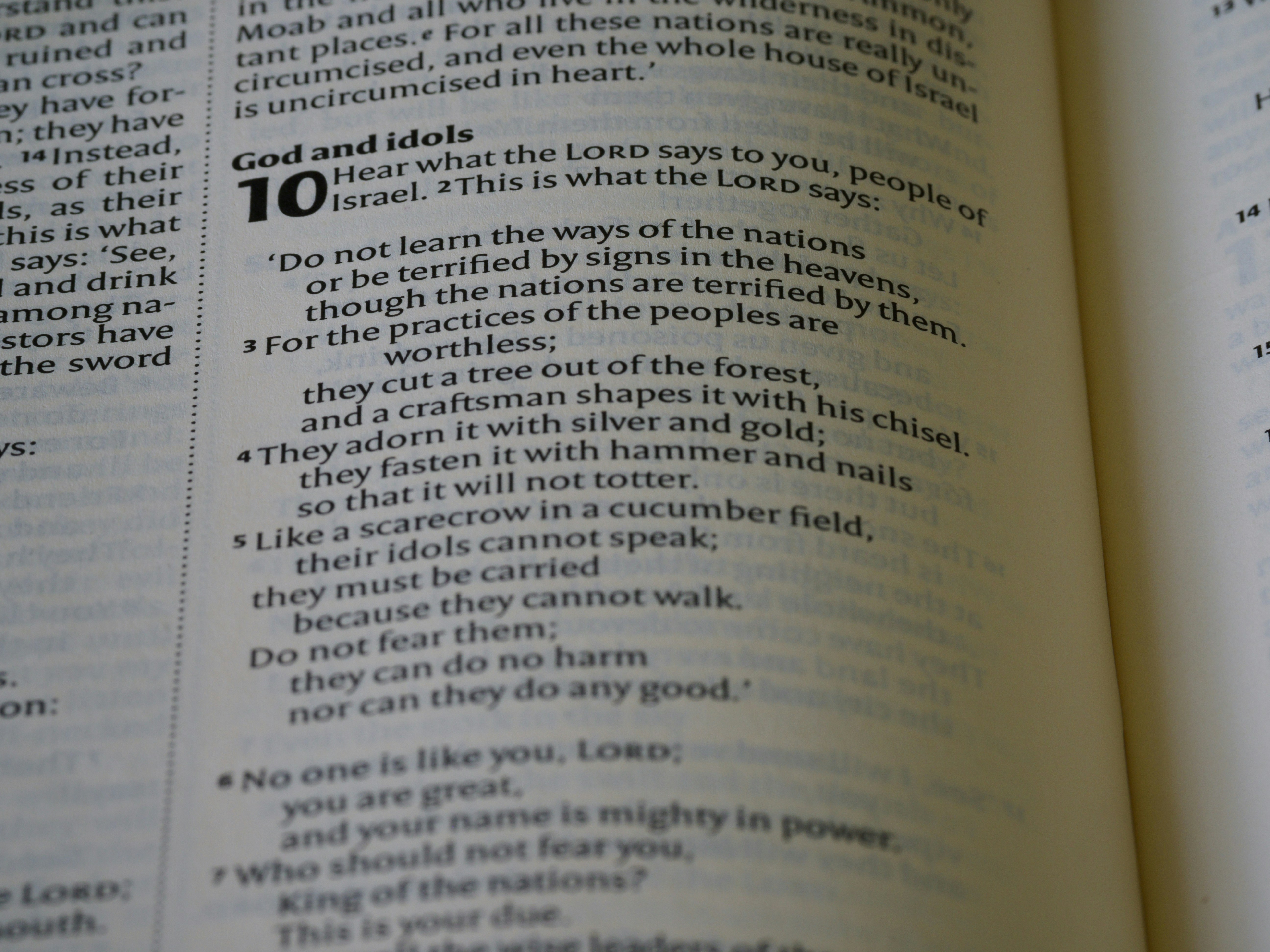
The history of worship and idolatry is deeply intertwined with the human experience and reflects various cultural, social, and psychological dimensions. Throughout history, there have been numerous instances where individuals or communities have turned to worship other gods or idols, particularly in times of distress or unmet expectations. This phenomenon illustrates a fundamental human tendency to seek immediate fulfillment and solace in moments of uncertainty.
One of the most notable biblical examples of this behavior can be found in the story of the Israelites during their exodus from Egypt. Faced with the daunting task of navigating the wilderness and the prolonged absence of their leader, Moses, the Israelites succumbed to fear and uncertainty. In their desperation, they fashioned a golden calf, a tangible embodiment of their yearning for security and divine intervention. This act of idolatry not only represented a betrayal of their covenant with God but also highlighted their intrinsic need for a physical manifestation of worship during times of trial.
Similar patterns can be observed in other cultural contexts. Many ancient civilizations, such as the Canaanites and Babylonians, worshiped a pantheon of gods, often turning to idols when their immediate desires went unmet or when faced with existential fears. These societies often constructed elaborate rituals around their idols, believing that such practices would appease the deities and secure blessings in return. Such examples underscore the psychological underpinnings of idol worship, where unmet needs—be they for safety, prosperity, or love—drive individuals to seek alternative forms of worship.
The consistent theme throughout these historical instances is humanity’s quest for meaning and reassurance in the face of uncertainty. The shift from a worship of the divine to the veneration of idols often serves as a coping mechanism, revealing deep-seated anxieties and desires to navigate the complexities of life. Understanding these patterns offers significant insights into the nature of worship and its evolution across different eras and cultures.
The Psychological Drivers Behind Idolatry
Idolatry, or the act of worshiping false idols, can often be traced back to various psychological factors that influence human behavior. One significant driver is desperation, which emerges in times of crisis or deep personal turmoil. When individuals face overwhelming circumstances, they may seek out tangible forms of assurance that provide a sense of safety and stability. In these moments of vulnerability, false gods or idols can represent a semblance of control in a chaotic world, promising solace where real answers seem elusive.
Disappointment also plays a crucial role in pushing individuals towards idol worship. Many people experience disillusionment with traditional structures such as religion, authority, or societal norms. This disenchantment can lead to a yearning for something—anything—that offers validation and meaning. Consequently, these individuals may gravitate towards idols that appear to fulfill their unmet emotional and psychological needs, often replacing the authentic roots of spirituality with superficial or fabricated alternatives.
The quest for power and control further complicates these dynamics. In a society that often emphasizes individual success, the allure of idols can lie in their promise of enhancing personal power. This desire can lead individuals to invest emotionally and psychologically in these false deities as a means to assert themselves within their environment. The fear of abandonment is another potent force; individuals may worship idols in a misguided attempt to mitigate the anxiety arising from the potential loss of connection with the community or the divine. Thus, the act of idol worship often stems from a complex interplay of emotions and psychological needs, highlighting humanity’s quest for meaning and stability in a turbulent world.
Consequences of Turning Away from Traditional Worship
The abandonment of traditional worship practices can lead to various spiritual and social consequences that impact individuals and communities alike. When individuals turn away from established beliefs, they often seek alternative forms of worship that may not provide the same grounding or ethical framework as traditional religions. This shift can significantly affect personal morality. Individuals who once adhered to the moral tenets of their faith may find themselves in a moral vacuum, which can result in behaviors that challenge societal norms.
Moreover, the relationships within a community can be profoundly affected by the departure from conventional worship. Traditional religious practices often serve as the cornerstone for community bonding, creating a shared identity among members. When individuals seek alternative worship, it can create a rift, as like-minded individuals may band together while separating themselves from those who maintain traditional beliefs. This fragmentation can lead to social isolation for some, as they may feel disconnected from their former communities.
The mental health implications of turning to alternative forms of worship during crises cannot be overstated. People often seek solace and guidance in times of distress, and when they reject traditional beliefs, they may inadvertently turn to false idols, such as materialism or celebrity culture. These distractions may provide temporary relief but can lead to deeper feelings of emptiness and anxiety. An individual’s struggle for meaning in life can escalate when they feel they have lost the traditional anchor that a faith community often provides.
Ultimately, the consequences of moving away from traditional worship are multifaceted, affecting not just the individual but the broader community. It is essential to recognize that these shifts can impact moral values, community ties, and mental well-being, highlighting the intricate relationship between faith practices and personal identity.
Biblical Lessons on Anger and Misguided Worship
The Bible offers several narratives that delve into the consequences of anger and misguided worship, particularly through the experiences of the Israelites. One notable incident is the story of the Golden Calf, which is found in the book of Exodus. Following their escape from Egyptian bondage, the Israelites grew impatient while awaiting Moses on Mount Sinai. In their frustration, they demanded a physical representation of God, leading Aaron to create a golden calf for them to worship. This act not only reflected their anger and impatience but also demonstrated a significant departure from the worship of Yahweh.
The repercussions of this misguided worship were severe. Upon descending the mountain, Moses witnessed the idolatry of the people. Filled with anger at their betrayal, he shattered the tablets of the covenant, symbolizing the broken relationship between God and Israel. This story illustrates the profound consequences that can arise when individuals allow anger and impatience to dictate their actions, leading them to worship false gods instead of remaining faithful to their covenant with God.
In addition to the Golden Calf episode, other narratives throughout the Scriptures further emphasize the dangers of anger and misguided worship. Instances such as Saul’s disobedience, where he sought to offer sacrifices without proper authority, or the rebellion led by Korah against Moses, further illustrate how misguided motivations can lead to dire outcomes.
These biblical lessons remain relevant today. Individuals and communities can often find themselves distracted or disillusioned, leading to the adoption of values or beliefs that diverge from their core teachings. Reflecting on these narratives encourages a deeper understanding of worship—one that is rooted in patience, obedience, and a steadfast commitment to one’s faith. By learning from these historical examples, modern practitioners of faith can strive to maintain their focus on genuine worship, avoiding the pitfalls of anger and misguided loyalty.
The Nature of Sacrifice in Idolatry
The concept of sacrifice has profound historical and cultural significance, particularly in the context of idolatry. Sacrifice, defined as the offering of something valuable to appease a deity or spirit, has been practiced across various civilizations throughout history. This act is often perceived as a medium through which individuals seek favor or intervention from supernatural entities, ranging from gods to spirits, often representing a blend of hope and desperation.
In ancient societies, sacrifices were frequently made to ensure bountiful harvests, win battles, or seek protection from calamities. The Egyptians, for example, would present offerings to deities such as Osiris and Isis, believing that these acts would ensure their favor and blessing. Similarly, the Aztecs engaged in ritualistic sacrifices, convinced that they were essential for maintaining cosmic order and appeasing the deities they worshiped. These sacrifices were often grand affairs, illustrating the deep connections between the people, their beliefs, and their rituals.
Transitioning to more modern interpretations, sacrifice can also be understood in metaphorical terms within idolatry. In numerous contemporary belief systems, sacrifices may not always involve tangible goods or living beings; rather, they can embody the relinquishing of personal desires or values in pursuit of a greater perceived gain. For instance, individuals may sacrifice time, financial resources, or personal relationships to conform to a particular ideology or community that promises fulfillment. This modern perspective raises moral questions surrounding idolatry, as individuals grapple with the implications of their sacrifices.
As we analyze the nature of sacrifice in idolatry, it becomes apparent that these acts often reflect an interplay between desire, moral complexity, and cultural practices. The historical context enhances our understanding of how these sacrifices not only served practical purposes but also fulfilled deeper psychological and existential needs. Thus, they continue to evoke debate concerning their relevance and ethical implications in both historical and contemporary contexts.
The Double-Edged Sword of Choice
Choice represents a fundamental aspect of human experience, particularly in the context of belief and worship. The freedom to choose one’s path is often celebrated as a hallmark of individuality and autonomy. However, this autonomy can often be seen as a double-edged sword, where the act of choosing may lead individuals to paths filled with unanticipated consequences. The decisions made in the realm of worship reflect deeper desires and personal inclinations, but they can also forge connections to ideas and practices that may not be beneficial.
When individuals select one method of worship over another, they are not merely making a benign decision; they are engaging with an intricate web of beliefs, values, and societal influences. This selection process may be accompanied by desires that might cloud judgment. For instance, the wish to belong to a community or to fulfill a spiritual yearning can lead one towards specific practices that resonate deeply. However, these choices may inadvertently foster an atmosphere of regret if the chosen path does not align with their evolving understanding of self, truth, or existence.
This dynamic nature of choice can create a cycle where individuals constantly reassess and often regret their decisions regarding worship. The earlier decisions may lead to unforeseen repercussions, such as a sense of disillusionment or a feeling of false hope. Those who delve into a worship practice driven by desire rather than a careful consideration of their beliefs might find themselves trapped in cycles of seeking, often feeling unfulfilled as they chase after aspirations that may not lead to genuine satisfaction.
Ultimately, understanding the complexities of choice in the context of worship invites deep reflection on the motivations behind such decisions. As individuals navigate their spiritual journeys, recognizing the implications of their choices becomes crucial in mitigating regret and fostering a more authentic and fulfilling approach to worship.
Finding Freedom in Atheism and Different Beliefs
Atheism, often misunderstood, provides a framework for many individuals seeking meaning and purpose without adhering to traditional religious doctrines. For some, leaving the confines of organized religion allows for an exploration of morality and values that align more closely with personal beliefs and experiences. The journey of atheism can often lead to a profound sense of freedom, unbound by dogma and ritual.
Many former believers recount their experiences in transitioning from faith to atheism as a liberating path. They frequently describe shedding the weight of guilt and obligation that can accompany traditional worship. This liberation often paves the way for a more individualized understanding of ethics and morality. Atheists may find that their moral compass is guided more by reason, empathy, and the consequences of actions rather than divine commandments.
Moreover, the search for purpose outside conventional religions often involves exploring various philosophies, such as humanism, which emphasizes human values and the welfare of individuals. Personal narratives reveal that many discover a deep sense of fulfillment in human connection, community service, and scientific inquiry, contributing to a broader understanding of the human experience. Instead of seeking answers through worship, they engage in dialogue and critical thinking, enriching their lives through varied perspectives.
It is also essential to acknowledge the diversity within atheistic belief systems. Some embrace secular spirituality or alternative beliefs, which emphasize mindfulness, nature, or personal growth. By finding community within these frameworks, individuals often cultivate a profound sense of belonging and support, mirroring aspects of traditional worship without theistic underpinnings.
In summary, the freedom found in atheism and alternative beliefs enables individuals to derive meaning from their lives based on personal values and choices rather than external religious authorities. This shift often leads to a redefined perspective on morality, purpose, and community, fostering a fulfilling existence rooted in authenticity and personal growth.
Closing Thoughts on Acceptance and Coexistence
As we reconcile the diverse views surrounding atheism and various forms of worship, it is essential to approach these differences with a spirit of acceptance. The landscape of beliefs in modern society is marked by a rich tapestry of perspectives that stem from unique cultural, historical, and personal experiences. Atheism, defined primarily by a lack of belief in deities, and the practice of worship in various religious contexts, can sometimes seem at odds. However, fostering an environment of understanding and acceptance is crucial for harmonious coexistence.
The journey towards greater compassion begins with dialogue. By engaging with individuals who hold differing views, whether they are atheistic or religious, we can cultivate empathy and respect for each other’s convictions. This interplay of ideas not only enriches our understanding of belief systems but also allows us to appreciate the common threads that bind humanity—such as the search for meaning, moral guidance, and community.
Furthermore, promoting tolerance is vital in our increasingly globalized world, where interaction between different belief systems is inevitable. Educational initiatives that highlight the significance of acceptance can empower individuals to appreciate diversity without feeling threatened by it. Such initiatives may include interfaith dialogues, workshops, or inclusive community events that bring together people of various ideologies, including atheists and those who subscribe to religious tenets.
Ultimately, embracing acceptance fosters an atmosphere where coexistence can thrive. The principles of compassion and understanding contribute greatly to the social fabric of our communities, allowing individuals from disparate backgrounds to live alongside one another peacefully. In conclusion, whether one identifies with atheism or any form of worship, prioritizing openness and respect for diverse beliefs not only enriches our collective experience but also paves the way for a future built on mutual respect and understanding.
Last modified: August 4, 2026